
Protein, Creatine and Collagen Guides
Latest Insight
Practical supplement guidance for everyone making a decision.
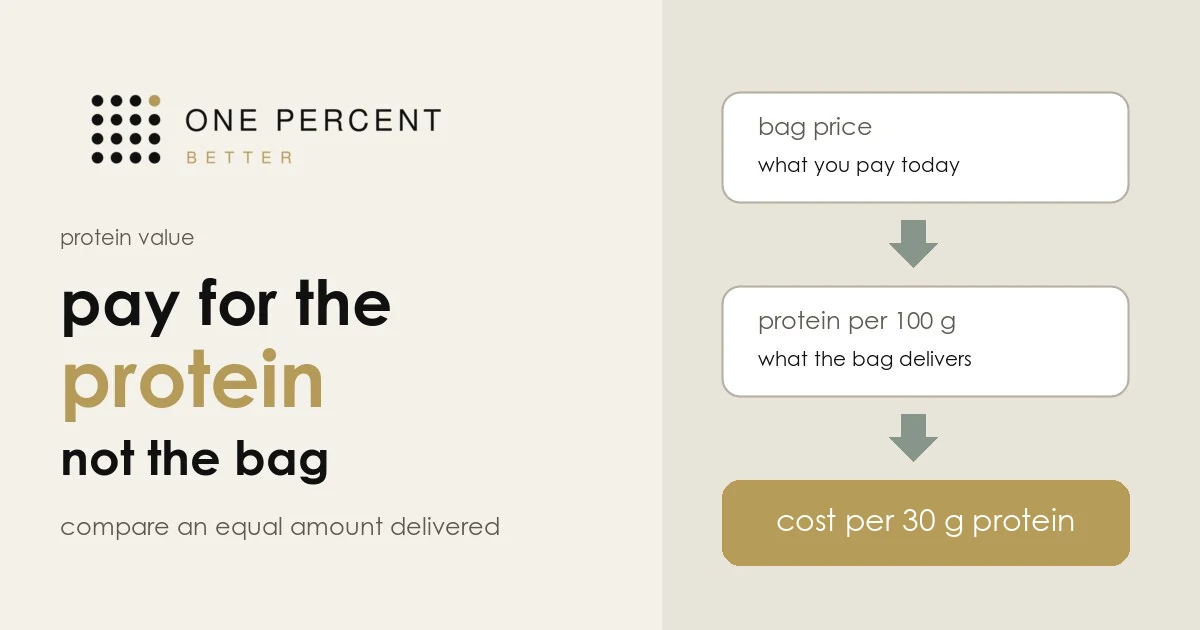
Which Protein Powder Is Better Value?
Calculate the cost per 30 g of actual protein before deciding which bag is cheaper.
Read article →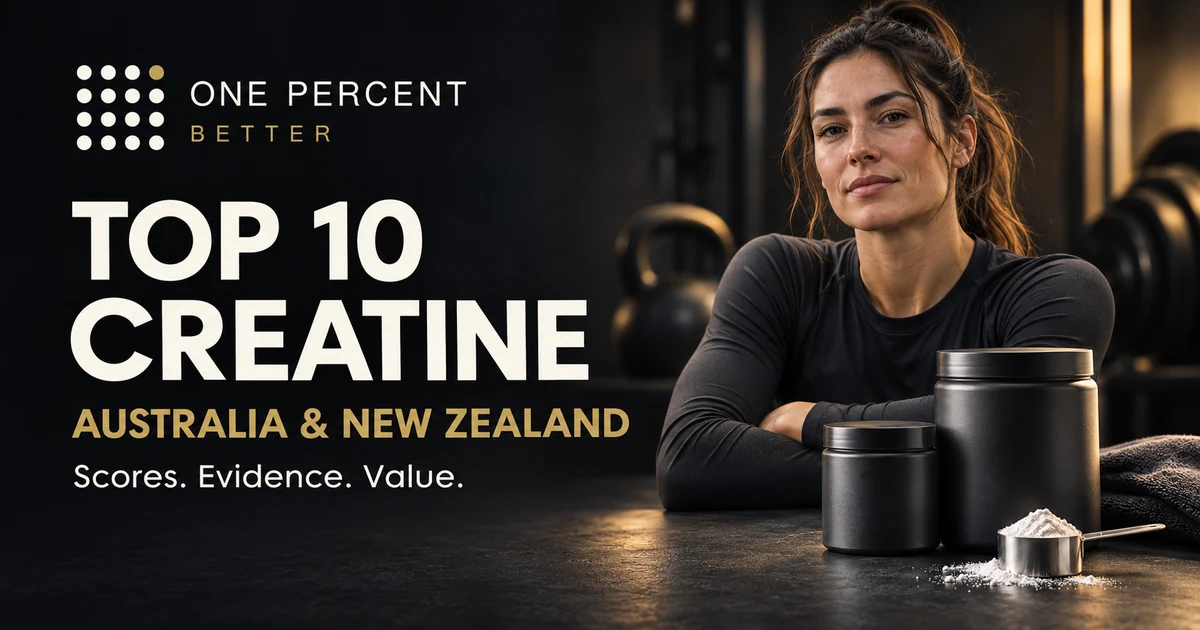
Top 10 Creatine Supplements in Australia and New Zealand
Ten leading Index products, with scores, price per 5g, evidence and trade-offs explained.
Read article →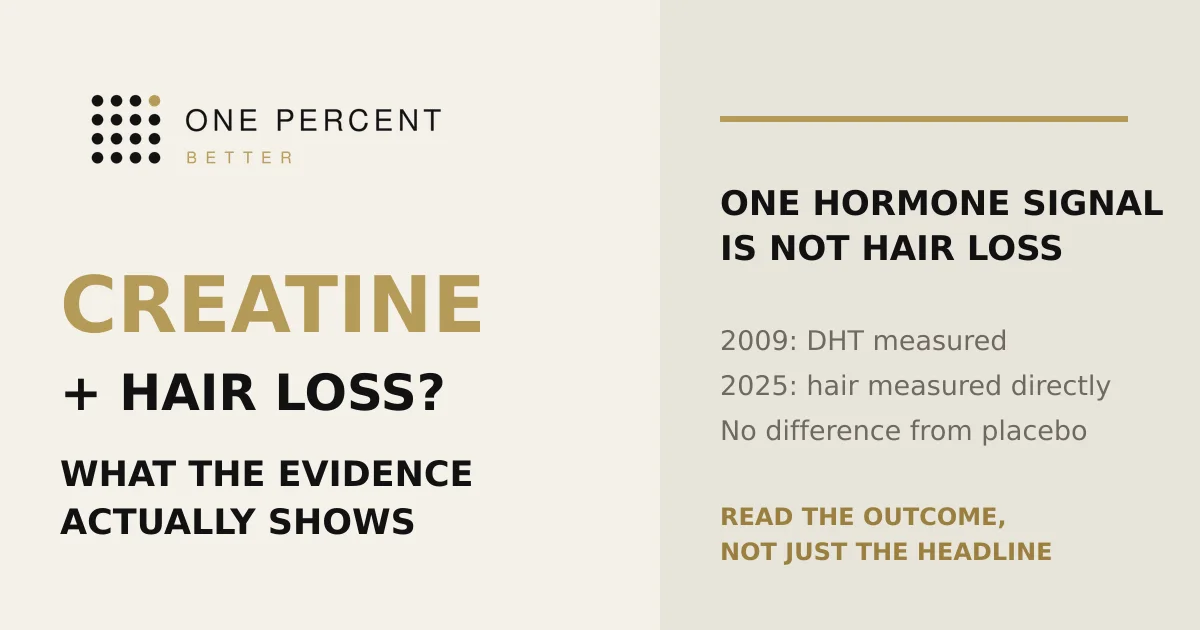
Does Creatine Cause Hair Loss? What the Evidence Actually Shows
Why one DHT study started the concern, what the direct hair trial found and where uncertainty remains.
Read article →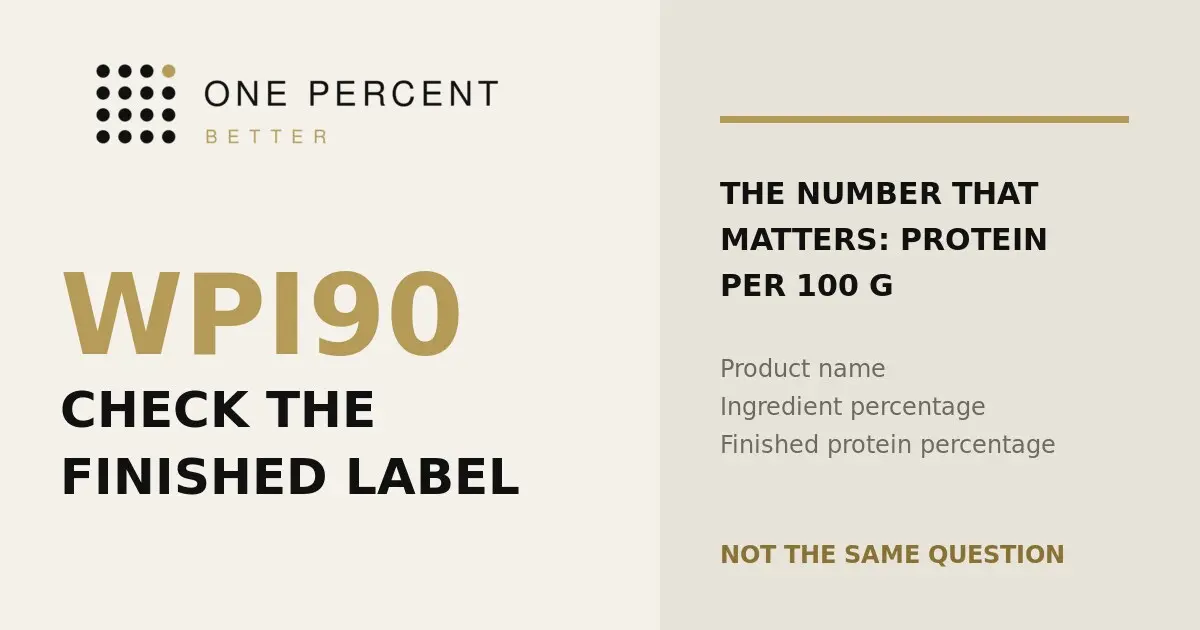
Does WPI90 Mean 90% Protein? Check This Before You Buy
The 90 can describe the isolate ingredient, while the finished flavoured powder has a different protein percentage.
Read article →
Is Grass-Fed Whey Protein Worth Paying More For?
Separate a meaningful sourcing preference from an unproven performance premium.
Read article →
Top 10 Protein Powders (WPI) in Australia and New Zealand
Our top ten chocolate WPI products, with the scores, strengths and trade-offs explained.
Read article →
Is Whey Protein Isolate Lactose Free?
WPI is usually low in lactose, but “isolate” alone does not prove a product is lactose free.
Read article →
Australian Made Protein Powder: What Does the Label Actually Mean?
Separate Australian ownership, local manufacturing and ingredient origin before you buy.
Read article →
Do You Need BCAAs If You Already Eat Enough Protein?
Why complete protein usually offers more useful nutrition than adding isolated BCAAs.
Read article →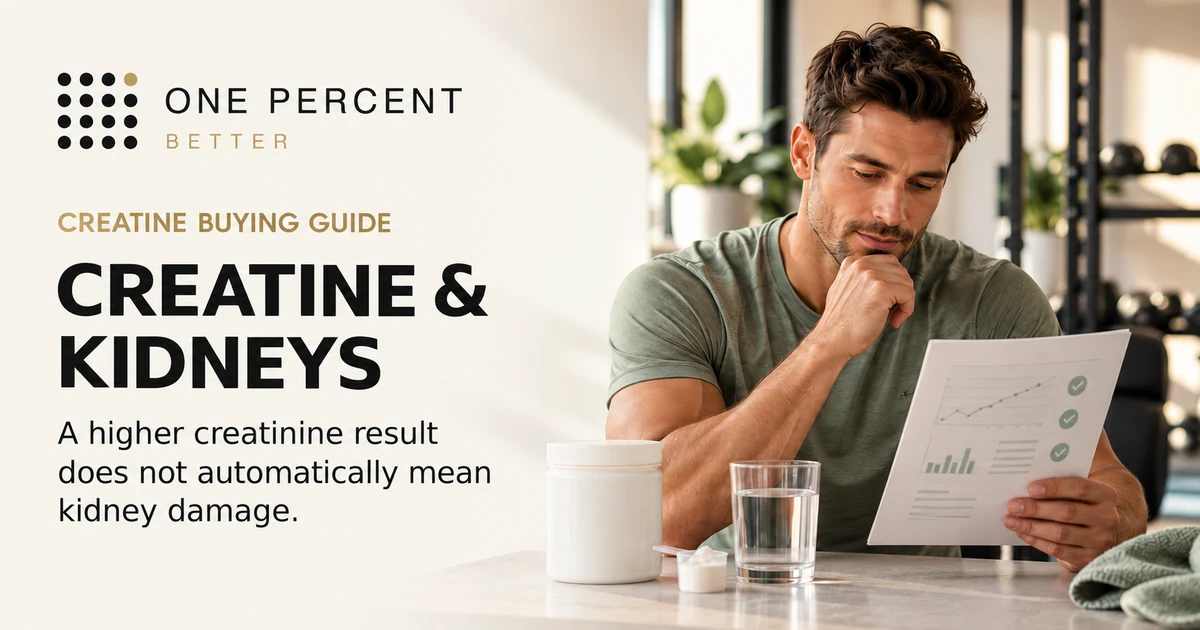
Does Creatine Damage Your Kidneys? Why Your Blood Test Can Be Misleading
Why creatine can raise creatinine, how that affects eGFR, and why an abnormal result still needs clinical review.
Read article →
Do You Need Electrolytes, or Is Water Enough?
When an electrolyte drink solves a real hydration problem and when water is enough.
Read article →
Do You Need Pre-Workout? What It Does and What to Check
Separate the immediate effect from the ingredients that require repeated use.
Read article →
Creatine Before or After a Workout: Does Timing Matter?
What the research says about timing, consistency, meals and rest days.
Read article →
Protein for Women Over 50: 5 Things to Know About Muscle and Menopause
Why ageing changes the protein conversation, what menopause research shows and how to choose a daily target that fits your needs.
Read article →
Are Plastic Protein Shakers Safe? 5 Things to Know
What research shows about mixing balls, microplastics and chemical migration, and what remains uncertain.
Read article →
Do You Need Protein Powder? When Food Is Enough and When It Helps
Protein powder is convenient, but it is not essential for everyone. Use it when it solves a real problem.
Read article →
Does Creatine Cause Weight Gain? What the Scale Change Really Means
Why early scale weight is usually linked to body water, not body fat, and what to do next.
Read article →
Is Premium Creatine Worth It? What a Higher Price Actually Buys
Separate performance claims from traceability, testing and certification before paying more.
Read article →
Is More Than 30 g of Protein Per Meal Wasted?
Absorption is not the same as an optimal muscle dose. Here is what the evidence actually shows.
Read article →
Collagen vs Whey Protein: They Both Count as Protein, But They Are Not the Same
Both provide protein, but their amino acid profiles and uses differ. Learn how to choose for your goal.
Read article →
Protein per scoop is not a fair comparison.
Compare protein density, ingredients and cost per 30 g of actual protein.
Read article →
Creatine loading is useful. It is not essential.
Understand what a loading phase changes and how a daily dose compares.
Read article →
“Third party tested” is not one test.
Learn what testing claims can establish and which details to check.
Read article →About these guides
Simple, evidence-based answers to common questions about protein powder, creatine, collagen, supplement testing and nutrition labels. Evidence first. Marketing second.
We do not use marketing copy, influencer posts or search summaries as evidence. We link directly to the responsible authority, published review or original paper and explain what the source can and cannot establish.
Australian health and supplement authorities
Start here for regulation, food standards and public nutrition guidance.
Therapeutic Goods Administration
How complementary medicines and other therapeutic goods are regulated, including the meaning of AUST L and AUST R entries.
Visit official source ↗AUSTRALIA AND NEW ZEALAND STANDARDSFood Standards Australia New Zealand
Official information on sports foods, food standards, labelling and when a sports supplement may be regulated as a food or medicine.
Visit official source ↗AUSTRALIAN PUBLIC HEALTHNational Health and Medical Research Council
Evidence-based nutrition guidance, including the Australian Dietary Guidelines and Nutrient Reference Values.
Visit official source ↗Sport and anti-doping authorities
For supplement evidence in sport, athlete risk and the rules that apply to prohibited substances.
Australian Institute of Sport
The AIS Sports Supplement Framework classifies ingredients by evidence and explains when sports foods or supplements may have a role.
Visit official source ↗AUSTRALIAN GOVERNMENTSport Integrity Australia
Practical guidance on supplement risk, anti-doping responsibilities and the Sport Integrity App for Australian athletes.
Visit official source ↗INTERNATIONAL ANTI-DOPINGWorld Anti-Doping Agency
The current Prohibited List and international anti-doping standards. The list is updated at least annually.
Visit official source ↗For athletes: A product being sold legally does not mean every batch is suitable for tested sport. Check current Sport Integrity Australia and WADA guidance, and seek advice from an accredited sports dietitian or doctor when needed.
Research sources
Where we look for independent evidence and the original study record behind a claim.
NIH Office of Dietary Supplements
Evidence-based ingredient fact sheets for health professionals and consumers, with safety, interaction and research information.
Visit official source ↗SYSTEMATIC REVIEWSCochrane Library
Independent systematic reviews that identify, appraise and synthesise research addressing a specific health question.
Visit official source ↗PRIMARY RESEARCHOriginal journal papers
Where an insight discusses a study, we link to the original paper or DOI and state the design, population and material limitations.
Visit official source ↗How an insight earns publication
Each article must make its evidence trail easy to inspect.
Direct sourceLink the original paper, DOI or responsible authority wherever practical.
Evidence typeIdentify whether the source is a systematic review, trial, observational study, guideline or regulatory document.
LimitationsState important limits, uncertainty and whether a finding applies to the product, population or outcome discussed.
Current checkShow the publication or review date and recheck time-sensitive rules before publishing.
SOURCE DIRECTORY REVIEWED 15 SEPTEMBER 2026